
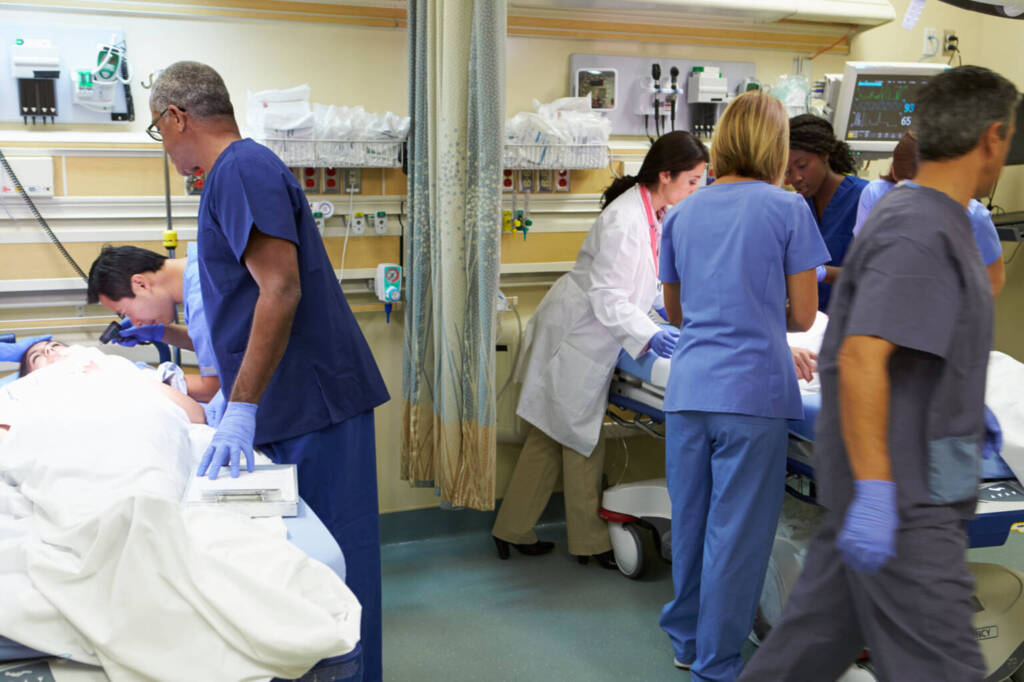
Post Surgery
Continuous monitoring using SafeSed allows early identification of hypoxemic patients with respiratory compromise, permitting:
a. early interventions by clinicians
b. reduced need for reintubation
c. reduced direct costs from additional procedures and extended hospitalizations
a. early interventions by clinicians
b. reduced need for reintubation
c. reduced direct costs from additional procedures and extended hospitalizations
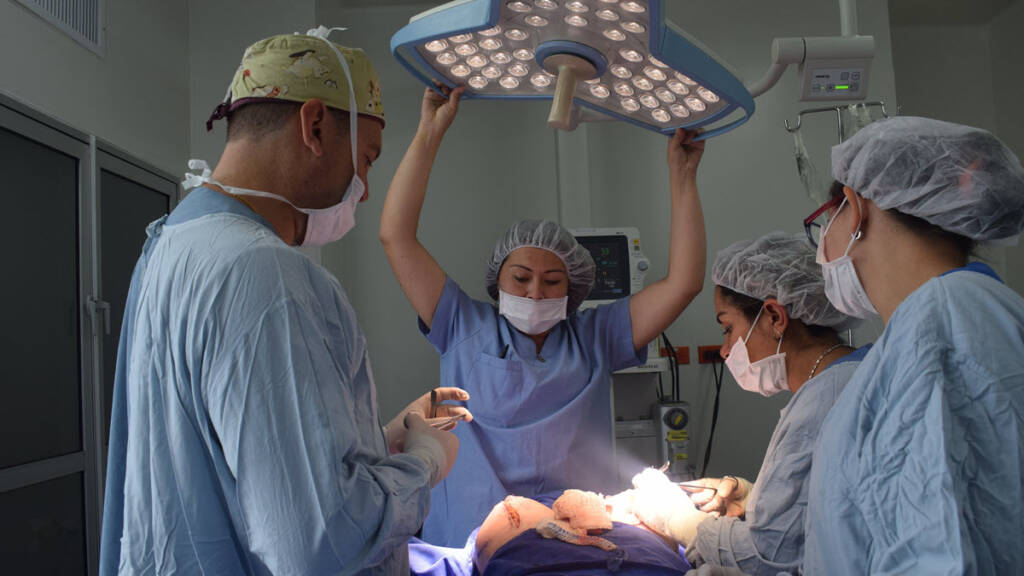
Monitoring during sedation
SafeSed provides a more reliable and flexible solution for monitoring during procedures requiring patient sedation, compared to the current methods (personal attention by staff, capnography and pulse-oximeter).

ICU/PACU/General floor monitoring
Consistent SafeSed bedside monitoring for patients offers remote access and management of multiple monitors at once. SafeSed allows hospitals to avoid the serious adverse outcomes from the use of opioids on non-critical patients, following recommendations by the Anesthesia Patient Safety Foundation, the Centers for Medicare and Medicaid Services (CMS), the Joint Commission and the Patient Safety Movement Foundation.

Home monitoring
Adults and infants, especially with breathing issues or home oxygen use, can be monitored constantly with SafeSed. It can diagnose breathing deterioration and instruct/suggest possible assistance. SafeSed can also integrate with other electronic medical devices and captured health data so the whole picture can be shared with the healthcare provider.